
This manual is a vital resource for anyone seeking a Commercial Driver’s License (CDL) in Missouri, offering essential testing information and guidance for safe operation.
Purpose of the Manual
The primary purpose of the Missouri Commercial Driver’s Manual is to prepare individuals for successfully obtaining a Commercial Learner’s Permit (CLP) and ultimately, a Commercial Driver’s License (CDL). It serves as a comprehensive guide, detailing the knowledge, skills, and regulations necessary for the safe and responsible operation of commercial motor vehicles within the state of Missouri and in compliance with federal standards.
This resource provides crucial information regarding vehicle inspection procedures, driving skills testing requirements, and a thorough overview of applicable laws and restrictions. It’s designed to ensure drivers understand their responsibilities, promoting highway safety for themselves and all other road users. The manual doesn’t cover all requirements, but focuses on testing information.

Who Needs a Commercial Driver’s License (CDL) in Missouri?
According to University business policy, a valid Commercial Driver’s License (CDL) is required for employees operating vehicles exceeding 26,000 pounds in weight. This also applies to those transporting hazardous materials, regardless of vehicle weight. Furthermore, anyone driving a vehicle designed to carry sixteen or more passengers – including the driver – must possess a CDL to operate legally within Missouri.
Essentially, if your job involves operating a large commercial vehicle, or transporting significant quantities of hazardous materials, or a substantial number of people, a CDL is mandatory. New applicants must also complete Entry Level Driving Training requirements before eligibility for testing.
Obtaining a Commercial Learner’s Permit (CLP)
To begin the process, complete the Missouri Commercial Learner’s Permit application, preparing for the required knowledge test and subsequent licensing.
CLP Application Process
The initial step towards obtaining a Missouri Commercial Learner’s Permit (CLP) involves a formal application process with the Missouri Department of Revenue. Applicants must complete the state’s official CLP application form, ensuring all sections are filled accurately and comprehensively. This application is available online through the Department of Revenue website or at local license offices.
New applicants are also required to fulfill the Entry Level Driving Training Requirement before proceeding. This ensures a foundational understanding of commercial vehicle operation. Following application submission, candidates must pass a knowledge test covering general commercial driving principles and specific endorsements sought. Successful completion of this test is crucial for advancing in the licensing process.
Required Documentation for CLP Application
To successfully apply for a Commercial Learner’s Permit (CLP) in Missouri, several documents are mandatory. Applicants must present proof of identity, such as a valid driver’s license or state-issued identification card. Social Security verification is also required, typically through a Social Security card or W-2 form.
Furthermore, documentation verifying Missouri residency is essential, potentially including utility bills or lease agreements. Individuals operating vehicles exceeding 26,000 pounds, transporting hazardous materials, or carrying 16+ passengers, including the driver, must demonstrate employer verification of CDL necessity. Completing and submitting the application alongside these documents initiates the CLP process.
Studying for the CLP Knowledge Test
Effective preparation for the Missouri Commercial Learner’s Permit (CLP) knowledge test is crucial for success. The official Missouri Commercial Driver License Manual serves as the primary study resource, covering regulations, vehicle operation, and safety procedures. Thoroughly review this manual, paying close attention to sections relevant to the desired CDL classification.
Utilize practice tests and online resources to assess understanding and identify areas needing improvement. Focus on mastering topics like vehicle inspection, air brakes, and hazardous materials handling, if applicable. Dedicated study and familiarity with the manual’s content significantly increase the likelihood of passing the CLP knowledge test and progressing towards a full CDL.

Understanding CDL Classifications
Missouri CDL classifications – A, B, and C – determine the type of vehicle you are authorized to operate, based on weight and passenger capacity.
Class A CDL
A Class A CDL in Missouri is required for operating combination vehicles with a Gross Vehicle Weight Rating (GVWR) of 26,001 pounds or more, and towing a vehicle exceeding 10,000 pounds. This encompasses tractor-trailers, large semi-trucks, and any combination of vehicles meeting these weight criteria; Obtaining this license demands comprehensive knowledge of vehicle systems, safe driving practices, and adherence to stringent regulations.

Applicants must demonstrate proficiency in pre-trip inspections, basic control skills, and on-road driving maneuvers. Successful completion of both knowledge and skills tests is mandatory. The Class A CDL provides the broadest operational privileges within the commercial driving realm, enabling drivers to transport goods and materials across state lines and within Missouri.
Class B CDL
A Class B CDL in Missouri is necessary for operating single vehicles with a GVWR of 26,001 pounds or more, or any vehicle towing another not exceeding 10,000 pounds. This typically includes large buses, box trucks, and straight trucks used for local or regional deliveries. While less encompassing than a Class A, a Class B CDL still requires a thorough understanding of commercial vehicle operation and safety protocols.
The licensing process involves passing both a knowledge test covering relevant regulations and a skills test demonstrating competency in vehicle control and inspection. Drivers holding a Class B CDL are crucial for transporting passengers and goods within the state, contributing significantly to Missouri’s economy and infrastructure.
Class C CDL
A Class C CDL in Missouri is required for vehicles not meeting the definitions of Class A or Class B, but still designed to transport 16 or more passengers, including the driver, or hauling hazardous materials requiring placarding. This category encompasses vehicles like small buses, passenger vans, and vehicles carrying specific types of hazardous cargo.
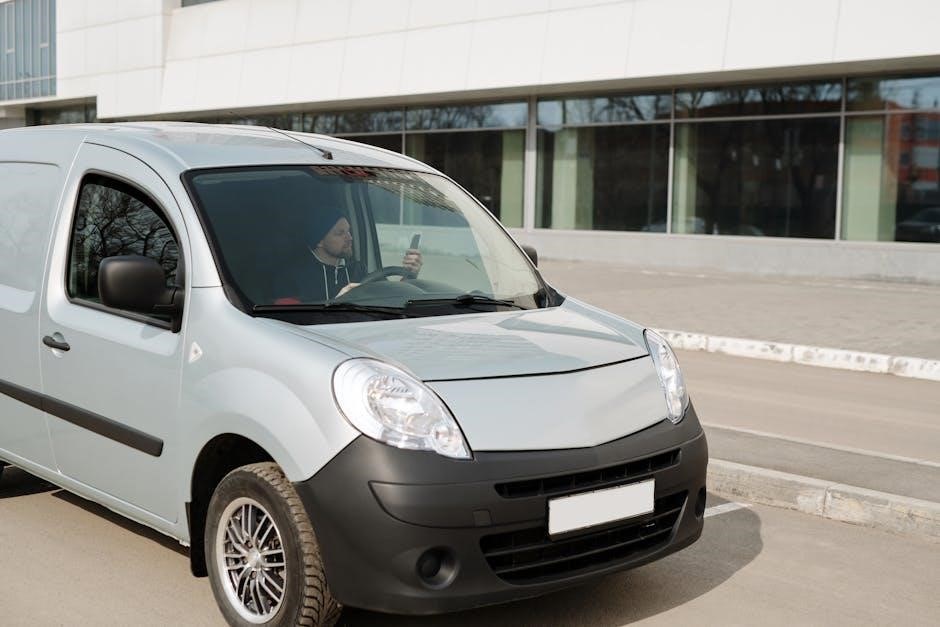
Obtaining a Class C CDL necessitates passing a knowledge test focused on relevant regulations, passenger safety (if applicable), and hazardous materials handling (if applicable), alongside a skills test. This license ensures drivers possess the necessary training and knowledge to safely operate these specialized vehicles, protecting both passengers and the public.

Vehicle Inspection Requirements
Thorough vehicle inspections – pre-trip, during-trip, and post-trip – are crucial for safety, as outlined in the Missouri CDL manual, ensuring operational integrity.
Pre-Trip Inspection Procedures
A systematic pre-trip inspection is absolutely critical before operating any commercial vehicle in Missouri. This involves a comprehensive examination of the vehicle’s safety components, ensuring everything is in proper working order. Drivers must meticulously check items like brakes, tires, lights, steering mechanisms, and cargo securement.
The Missouri Commercial Driver License Manual details a specific inspection process, emphasizing the importance of identifying and addressing any defects before hitting the road. This isn’t merely a checklist; it’s a proactive safety measure. Drivers are responsible for documenting their inspections and reporting any issues immediately. A failed pre-trip inspection means the vehicle is unsafe to operate and must be repaired before any journey begins, safeguarding both the driver and the public.
During-Trip Inspection Procedures
While en route, continuous monitoring of the commercial vehicle’s condition is paramount for safety. During-trip inspections involve periodic checks of critical components, looking for any changes or developing issues. Drivers should pay close attention to brakes, tires, and cargo securement throughout the journey.
The Missouri Commercial Driver License Manual stresses the importance of listening for unusual noises, feeling for vibrations, and observing any warning lights. If any defects are discovered during the trip, the driver must safely pull over and address the problem before continuing. This may involve minor adjustments or, if the issue is significant, calling for roadside assistance. Proactive monitoring and timely intervention are key to preventing accidents and ensuring a safe arrival.
Post-Trip Inspection Procedures
Upon completing a trip, a thorough post-trip inspection is crucial for identifying any maintenance needs and ensuring vehicle safety for the next driver. This inspection, as detailed in the Missouri Commercial Driver License Manual, involves a systematic review of all major vehicle components, including brakes, tires, lights, and fluids.
Drivers are responsible for reporting any defects discovered during the post-trip inspection. Accurate documentation of these issues is essential for proper maintenance and repair. Addressing these concerns promptly prevents further damage and potential safety hazards. A complete post-trip inspection demonstrates professionalism and commitment to safe commercial vehicle operation, benefiting both the driver and the public.

Driving Skills Test
The CDL skills test evaluates a driver’s ability to safely operate a commercial vehicle, encompassing both basic control maneuvers and on-road driving proficiency.
Basic Control Skills
Successfully completing the basic control skills portion of the Missouri CDL driving skills test is crucial for all applicants. This assessment focuses on a driver’s ability to maneuver the commercial vehicle without relying on the vehicle’s momentum. Key elements typically include a straight-line backing exercise, requiring precise control and spatial awareness.
Additionally, applicants must demonstrate proficiency in performing a 90-degree angle backing, and alley docking – skills vital for navigating loading docks and tight spaces. The off-track backing component tests the driver’s ability to correct errors and maintain control. Examiners carefully evaluate the applicant’s smoothness, accuracy, and overall vehicle control throughout these maneuvers, ensuring they meet established safety standards.
On-Road Driving Skills
The on-road driving skills test in Missouri evaluates a candidate’s ability to operate a commercial vehicle safely and responsibly in real-world traffic conditions. This portion assesses adherence to traffic laws, proper lane usage, and maintaining a safe following distance. Examiners observe skills like merging onto highways, navigating intersections, and responding appropriately to unexpected situations.
Drivers are expected to demonstrate proficient use of mirrors, signals, and overall situational awareness. The test also includes evaluating the driver’s ability to perform pre-trip inspection elements while en route, and reacting safely to hazards. Successful completion requires consistent adherence to safe driving practices and a thorough understanding of commercial vehicle operation.

Regulations and Restrictions
Missouri CDL holders must comply with federal and state regulations, including hours of service, hazardous materials handling, and specific state laws for commercial driving.
Hours of Service Regulations
Missouri, aligning with federal guidelines, enforces strict Hours of Service (HOS) regulations to prevent fatigued driving. These rules dictate maximum driving hours and mandatory rest periods for commercial vehicle operators. Drivers are limited in the number of consecutive hours they can drive and work within a given period, ensuring adequate rest to maintain alertness and safety on the road.
Specific regulations cover daily and weekly driving/work limits, short-haul operations, and exceptions for certain commodities. Proper record-keeping of driving and on-duty time is crucial for compliance, often utilizing Electronic Logging Devices (ELDs). Violations of HOS regulations can result in significant penalties, impacting both the driver and the carrier’s safety rating. Understanding and adhering to these rules is paramount for all Missouri CDL holders.

Hazardous Materials Regulations
Transporting hazardous materials (Hazmat) in Missouri demands strict adherence to both federal and state regulations. Drivers intending to haul Hazmat must obtain a specific endorsement on their Commercial Driver’s License (CDL), requiring thorough background checks and specialized training. This training covers proper classification, packaging, labeling, and placarding of hazardous materials, alongside emergency response procedures.
Missouri’s regulations closely follow the Federal Motor Carrier Safety Administration (FMCSA) guidelines, emphasizing securement protocols and route restrictions. Drivers must carry appropriate shipping papers and understand the risks associated with the materials they transport. Non-compliance can lead to severe civil and criminal penalties, highlighting the critical importance of comprehensive Hazmat training and diligent adherence to all applicable rules.

Missouri-Specific Regulations
Beyond federal guidelines, Missouri implements unique regulations for commercial drivers. These encompass specific requirements regarding vehicle dimensions, weight limits, and routes, particularly concerning bridge clearances and highway restrictions. Understanding these nuances is crucial for avoiding violations and ensuring safe operation within the state.
Missouri also has specific rules related to electronic logging devices (ELDs) and hours of service, potentially differing from federal mandates. Furthermore, the state outlines particular procedures for accident reporting and drug and alcohol testing for CDL holders. Staying informed about these Missouri-specific regulations, alongside the federal standards, is paramount for all commercial vehicle operators.